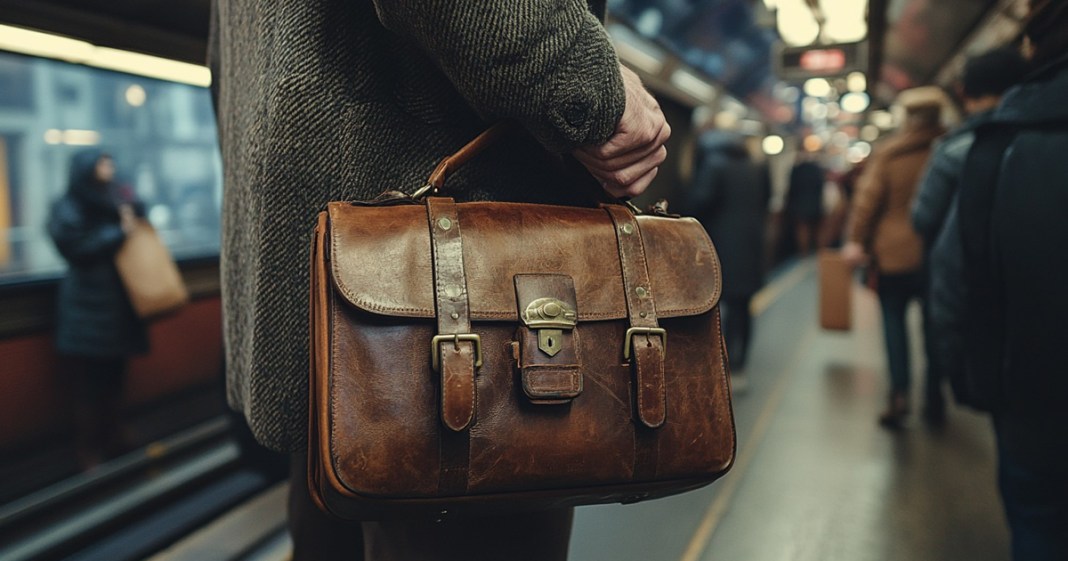
When your budget is tight, the idea of spending more on quality items might seem counterintuitive. However, the “Buy It For Life” (BIFL) mindset can actually save you significant money over time, even when you’re watching every penny. This approach focuses on investing in quality products that last longer, perform better, and ultimately cost less per use than their cheaper counterparts. In this guide, we’ll explore how you can adopt the BIFL mindset without breaking the bank, helping you make smarter purchasing decisions that align with both your financial constraints and long-term goals.
Understanding the BIFL Philosophy
The “Buy It For Life” philosophy isn’t about luxury or status—it’s about value. When you purchase a well-made item that lasts for years or even decades, you avoid the cycle of repeatedly buying cheap replacements. This approach not only saves money but also reduces waste, decreases stress, and often provides a better user experience.
For example, a $30 low-quality blender might last a year with regular use, while a $120 high-quality blender could easily last 10+ years. That breaks down to $30 per year versus $12 per year—a significant difference that grows with time. Additionally, the better blender will likely perform its job more effectively, making your daily life easier.
Starting Your BIFL Journey When Funds Are Limited
Prioritize Based on Impact
When money is tight, you can’t upgrade everything at once. Start by identifying items you use daily that:
- Currently fail frequently
- Cause frustration when they don’t work properly
- Would significantly improve your quality of life if upgraded
For instance, if you work on your feet all day, investing in one pair of quality work boots will likely have a much bigger impact than upgrading several rarely-used kitchen gadgets.
The Gradual Approach
Adopting a BIFL mindset doesn’t mean you need to overhaul everything immediately. Instead, follow these steps:
- Research thoroughly before each purchase
- Save specifically for quality items
- Upgrade one category at a time
- Buy used quality items when possible
Many BIFL enthusiasts report that their journey took years, with each quality purchase building confidence for the next one.
How to Identify Truly BIFL Products
Not all expensive products are worth the investment. Here’s how to identify items that will truly last:
Look for These Indicators of Quality
- Repairability: Can it be fixed if something breaks?
- Warranty: Lengthy or lifetime warranties often indicate manufacturer confidence
- Materials: Research which materials last longest for that specific item
- Construction: Look for solid joinery, stitching, or assembly methods
- Reviews from long-term users: Check what people say after years of use, not just initial impressions
Red Flags to Avoid
- Impossible-to-replace proprietary parts
- Glued components that can’t be disassembled
- Trendy features that may become obsolete
- No available replacement parts
- Overly complex mechanisms that can fail
BIFL Categories Worth Investing In
Kitchen Essentials
The kitchen offers some of the best BIFL opportunities. Consider:
- Cast iron cookware: Often available used and can last generations
- Quality chef’s knife: A single good knife can replace an entire cheap set
- Stainless steel food containers: Replace disposable options
John’s Story: “I found a rusty cast iron skillet at a yard sale for $5. After restoring it, I’ve used it daily for 8 years. It’s actually from the 1940s and should easily last another 80 years with basic care—that’s pennies per year of use.”
Clothing and Footwear
While fashion changes, certain clothing investments pay off:
- Work boots/everyday shoes: Look for resoleable options
- Quality winter coat: Can last decades with proper care
- Durable jeans: Seek heavier denim with reinforced stitching
BIFL Clothing Checklist:
- Can it be repaired?
- Is it made of natural, durable fibers?
- Does it use quality stitching (check seams)?
- Is the style classic enough to wear for years?
- Does the company offer repair services?
Home Tools and Hardware
Tools represent excellent BIFL value:
- Hand tools: Quality screwdrivers, hammers, and wrenches
- Manual can opener: Simple is often more durable
- Basic power tools: Focus on brands with good repair policies
Finding Quality Without the Premium Price
Buying Used Quality Items
One of the best BIFL strategies for those on a budget is buying high-quality used items. Places to look include:
- Estate sales (especially for kitchen items and tools)
- Online marketplaces
- Thrift stores in affluent areas
- Factory seconds/refurbished items
- End-of-season clearance sales
Brands That Offer Value
Some brands consistently deliver quality without the highest price tags:
- Kitchen: Lodge (cast iron), Victorinox (knives)
- Clothing: Darn Tough (socks), Carhartt (workwear)
- Tools: Channellock (pliers), Klein (screwdrivers)
These “value quality” brands often deliver 90% of the performance of luxury brands at 50% of the cost.
Maintaining Your BIFL Items
Proper maintenance is essential to get the most from your quality purchases:
Basic Maintenance Routine
- Read and keep manuals
- Learn proper cleaning techniques
- Address minor issues before they become major
- Store items properly
- Use items as intended
Maria’s Experience: “My grandfather gave me his leather work bag when I started college. It had already served him for 30 years. I clean and condition it twice yearly, and 15 years later, it still looks professional for client meetings. Friends have gone through countless cheap bags in the same period.”
The Psychology of BIFL Shopping
Adopting a BIFL mindset requires shifting how you think about purchases:
From Price to Value
Train yourself to calculate cost-per-use rather than focus on the initial price tag. A $200 item that lasts 10 years costs $20/year, while a $40 item replaced annually costs much more over time.
Overcoming Sticker Shock
Many budget-conscious shoppers struggle with the initial higher price of quality items. Try these mental shifts:
- Think of it as “buying your last one”
- Consider the frustration and time saved by not dealing with replacements
- Calculate the true long-term cost including replacements
- Start small with affordable BIFL wins to build confidence
Leveraging Community Resources
You don’t have to make the BIFL journey alone. Communities both online and offline can help:
BIFL Online Resources
- r/BuyItForLife subreddit: Real users sharing long-lasting products
- Consumer review sites focused on durability
- YouTube channels reviewing products after years of use
- Brand-specific forums where enthusiasts share maintenance tips
Pooling Resources Locally
Consider these community-based approaches:
- Tool libraries where you can borrow quality tools
- Community skills workshops to learn repair techniques
- Buy-nothing groups where quality items are sometimes shared
- Collective purchasing with friends or family for higher-ticket items
When Not to Go BIFL
The BIFL approach isn’t appropriate for every purchase. Skip the premium when:
- Technology changes rapidly (certain electronics)
- Your needs might change significantly (specialized equipment)
- You’ll use the item very infrequently
- The cost difference can’t be justified by extended lifespan
Sometimes renting or borrowing makes more sense than any purchase.
The Environmental Impact
Beyond personal finances, the BIFL mindset has broader benefits:
- Reduces landfill waste from disposable products
- Lowers resource consumption for manufacturing replacements
- Often supports companies with more sustainable practices
- Creates an appreciation for craftsmanship and quality
Starting Your BIFL Journey Today
Even on the tightest budget, you can begin implementing the Buy It For Life mindset:
- Audit what you currently own – identify pain points
- Research one category to upgrade next
- Start a dedicated savings fund for quality purchases
- Learn basic maintenance skills for items you already own
- Join online communities for recommendations and advice
Remember that the Buy It For Life approach is a marathon, not a sprint. Each thoughtful purchase builds toward a more sustainable lifestyle, both financially and environmentally. By focusing on value over price and making strategic investments when possible, even those on tight budgets can escape the cycle of constant replacements and enjoy the benefits of owning quality items that truly last.