



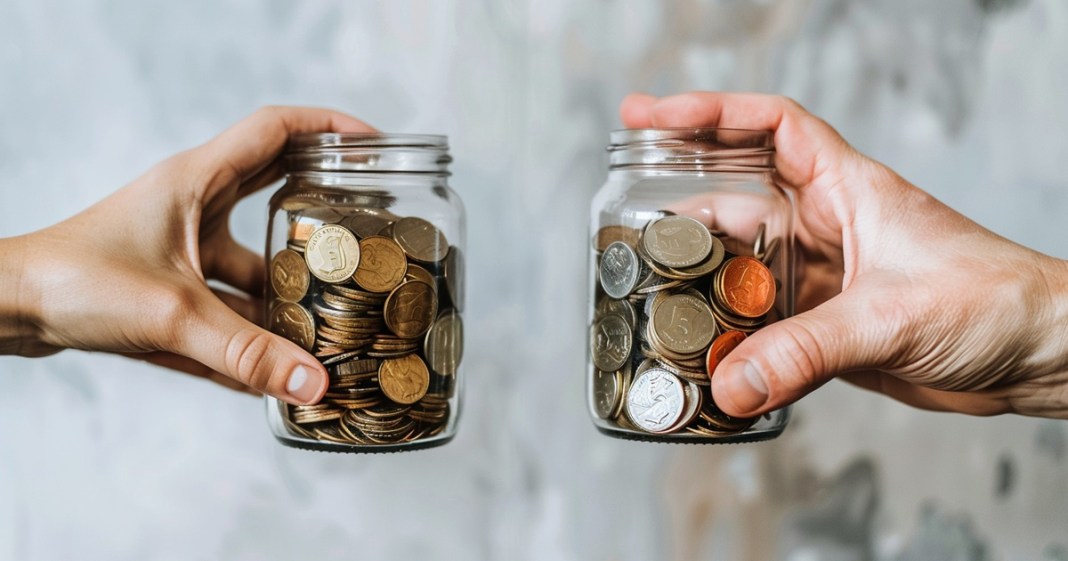
Understanding the difference between being cheap and frugal is crucial for anyone looking to improve their financial health. While these terms are often used interchangeably, they represent fundamentally different approaches to money management. Let’s dive deep into what sets these mindsets apart and how you can cultivate healthy financial habits that serve both you and those around you.
The Core Distinction: Value vs. Cost
Being frugal means prioritizing value over pure cost savings. When you’re frugal, you make intentional decisions about where and how to spend your money. You’re willing to invest in quality items that last longer and provide better value over time. Think of it as being smart with your money rather than simply hoarding it.
In contrast, being cheap focuses solely on spending the least amount possible, regardless of the consequences. This mindset often leads to false economies – saving money in the short term but spending more in the long run due to poor quality purchases or missed opportunities.
Key Characteristics of Frugal Behavior
1. Long-term Thinking
When you’re frugal, you consider the full lifecycle cost of your purchases. You might spend more on a high-quality winter coat that lasts for years rather than buying a cheaper one that needs replacement every season.
2. Value-based Decision Making
Frugal people ask themselves:
- Will this purchase improve my quality of life?
- Does the item’s quality justify its price?
- Could I find a better value alternative?
3. Strategic Spending
You’re not afraid to spend money when it matters. This might mean:
- Investing in preventive maintenance for your car
- Buying bulk items when it makes sense
- Taking advantage of sales for items you regularly use
4. Respect for Resources
Frugal individuals tend to:
- Repair items when possible
- Repurpose things creatively
- Reduce waste in general
Signs You Might Be Being Cheap Instead of Frugal
1. Compromising Safety or Health
- Skipping necessary medical check-ups
- Ignoring car maintenance issues
- Buying expired food just because it’s discounted
2. Affecting Others Negatively
- Under-tipping or not tipping at all
- Always expecting others to pay
- Borrowing items frequently without reciprocating
3. False Economies
- Buying multiple cheap items that quickly break instead of one quality item
- Driving across town to save a few cents on gas
- Choosing the lowest-price option without considering hidden costs
How to Shift from Cheap to Frugal
1. Develop a Value-based Mindset
Start by asking yourself these questions before making purchases:
- Will this decision save me money in the long run?
- Am I compromising quality for price?
- How will this choice impact others?
2. Create a Thoughtful Budget
Allocate your money based on your values:
- Set aside money for quality essentials
- Plan for long-term investments
- Include a reasonable amount for enjoyment
3. Learn to Identify Quality
Develop skills to recognize:
- Well-made products
- Reliable brands
- Genuine deals versus false economies
The Impact on Quality of Life
The difference between being cheap and frugal often shows up most clearly in your quality of life. Frugal living allows you to:
- Enjoy quality products that last longer
- Maintain healthy relationships without money tension
- Feel confident in your purchasing decisions
- Build long-term financial stability
Smart Money-Saving Strategies That Aren’t Cheap
1. Strategic Shopping
- Use cash-back apps and credit cards wisely
- Take advantage of loyalty programs
- Shop during sales for items you need anyway
2. Mindful Consumption
- Plan meals to reduce food waste
- Use libraries and community resources
- Share tools or equipment with neighbors when appropriate
3. Quality Investment
- Buy classic, durable clothing that lasts
- Invest in energy-efficient appliances
- Purchase quality tools for frequent use
The Social Impact
Your approach to spending affects not just you but also your relationships. Frugal people tend to:
- Share resources generously
- Contribute fairly to group activities
- Make ethical consumer choices
Making the Transition
Remember, the goal isn’t to never spend money – it’s to spend it wisely. Start by:
- Auditing your current spending habits
- Identifying areas where cheapness might be costing you more
- Gradually upgrading essential items to better quality versions
- Learning from others who practice frugal living successfully
Conclusion
Understanding the difference between being cheap and frugal can transform your financial life. By focusing on value rather than just cost, you can build a sustainable approach to managing money that enhances rather than diminishes your quality of life. Remember, being frugal is about making smart choices that benefit both your wallet and your well-being in the long run.


