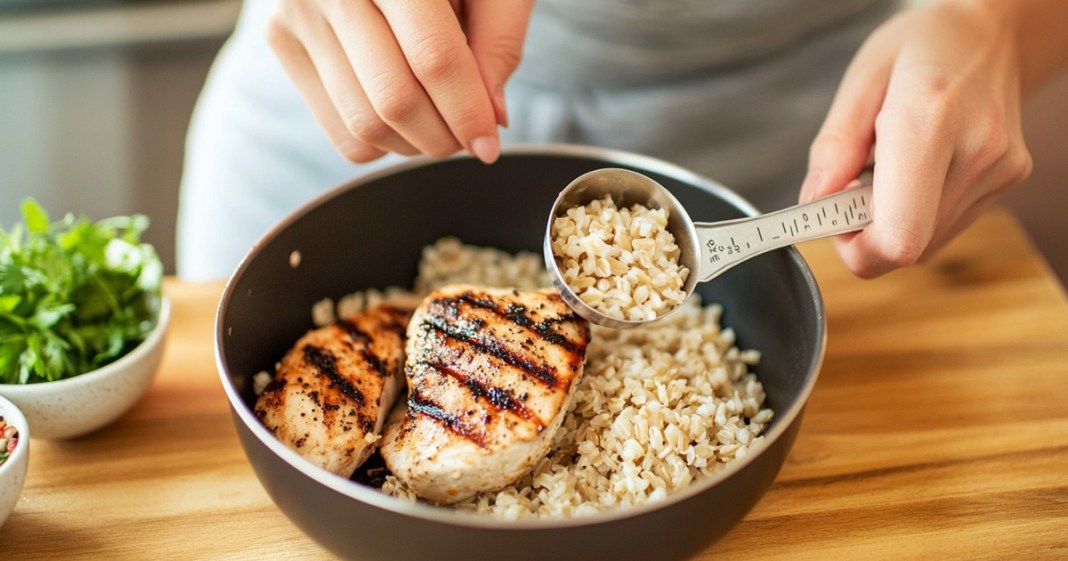
Eating healthy on a tight budget might seem impossible, but with the right strategies and knowledge, you can nourish your body without breaking the bank. This comprehensive guide will show you exactly how to eat nutritiously while keeping your grocery bills low. Whether you’re a student, living paycheck to paycheck, or simply looking to save money while maintaining a healthy diet, these practical tips and tricks will help you make the most of your food budget.
Why Eating Healthy Matters (Even When You’re Broke)
Let’s face it: when money’s tight, healthy eating often takes a backseat to simply filling your stomach. The good news? You don’t have to choose between your health and your wallet. Eating nutritiously on a budget isn’t just possible – it’s a smart investment in your future. Better nutrition means more energy, fewer sick days, and lower healthcare costs down the road.
Smart Shopping Strategies for the Budget-Conscious
Plan Your Meals Like a Pro
Before you even step foot in a grocery store, take these essential steps:
- Check your pantry and fridge first
- Plan your meals around sales and seasonal produce
- Make a detailed shopping list and stick to it
- Never shop hungry – it leads to impulse purchases
Remember, the most expensive food is the food you throw away. Planning helps minimize waste and stretches your dollars further.
Where to Shop for the Best Deals
Your shopping location matters more than you might think. Here’s where to find the best bargains:
- Discount grocery stores such as ALDI or Grocery Outlet
- Farmers’ markets (especially near closing time). Find a Farmer’s Market near you.
- Ethnic grocery stores
- Dollar stores (for basic pantry items)
- Bulk food stores (for non-perishables)
Pro tip: Many stores mark down fresh produce and meat in the evening – learn your local stores’ markdown schedules and shop accordingly.
Budget-Friendly Nutritional Powerhouses
Affordable Proteins
Protein doesn’t have to mean expensive meat. These cheaper alternatives pack just as much nutritional punch:
- Dried beans and lentils
- Eggs
- Canned tuna and sardines
- Chicken thighs (instead of breasts)
- Tofu
- Peanut butter
A pound of dried beans costs about $1-2 and provides roughly 12 servings of protein. Compare that to meat at $4-8 per pound!
Cheap but Nutritious Vegetables
These vegetables offer the most nutrition for your money:
- Carrots
- Cabbage
- Sweet potatoes
- Onions
- Frozen mixed vegetables
- Canned tomatoes
- Dark leafy greens (when in season)
Buy vegetables in their whole form – pre-cut produce always costs more. Learn basic knife skills to save money and time.
Budget-Friendly Fruits
Get your daily fruit servings without overspending:
- Bananas
- Apples
- Oranges
- Frozen berries
- Seasonal fruits
- Canned fruit (in water or juice, not syrup)
Remember: frozen fruits and vegetables are often cheaper than fresh and just as nutritious.
Money-Saving Cooking Techniques
Batch Cooking Basics
Cooking in bulk saves both time and money. Here’s how to make it work:
- Cook large portions of basics like rice, beans, and chicken
- Portion and freeze extras for quick meals later
- Use weekend prep time to set yourself up for the week
- Invest in quality food storage containers
Simple Equipment That Saves Money
These kitchen tools pay for themselves:
- Slow cooker
- Rice cooker
- Food storage containers
- Sharp knife
- Cutting board
- Measuring cups and spoons
Zero-Waste Cooking Tips
Make your food budget go further with these waste-reduction strategies:
- Use vegetable scraps for stock
- Save chicken bones for broth
- Freeze overripe fruits for smoothies
- Turn stale bread into croutons or breadcrumbs
- Use wilting vegetables in soups or stir-fries
Meal Ideas and Recipes
Breakfast on a Budget
Start your day right without spending much:
- Oatmeal with banana and peanut butter
- Eggs on whole grain toast
- Overnight oats with frozen berries
- Homemade smoothies
- Greek yogurt with fruit (bought on sale)
Lunch for Less
Pack these affordable lunches:
- Bean and rice burritos
- Tuna salad sandwiches
- Lentil soup
- Pasta with vegetables
- Leftovers from dinner
Dinner Done Right
These dinner ideas are both nutritious and budget-friendly:
- Bean and vegetable chili
- Stir-fry with frozen vegetables
- Rice and beans with seasonal vegetables
- Chicken thigh and sweet potato sheet pan dinner
- Lentil curry with rice
Smart Storage Solutions
Maximizing Food Freshness
Make your groceries last longer:
- Store fruits and vegetables properly
- Use airtight containers
- Know which items need refrigeration
- Rotate your pantry items
- Check expiration dates regularly
Freezer Organization
A well-organized freezer helps prevent food waste:
- Label everything with dates
- Use freezer bags to save space
- Remove excess air before freezing
- Freeze in portion sizes
- Keep an inventory list
Common Mistakes to Avoid
Don’t fall into these budget-busting traps:
- Buying too much perishable food
- Ignoring unit prices
- Shopping without a list
- Falling for “health food” marketing
- Wasting leftovers
- Buying pre-cut or pre-prepared foods
Special Dietary Considerations
Eating Healthy with Food Allergies
Having food allergies doesn’t mean breaking the bank:
- Focus on naturally allergen-free foods
- Cook from scratch to control ingredients
- Buy alternative ingredients in bulk when possible
- Join support groups for recipe ideas
Vegetarian and Vegan Options
Plant-based eating can be very budget-friendly:
- Build meals around legumes
- Buy nuts and seeds in bulk
- Grow your own herbs
- Make your own plant-based milk
- Focus on whole grains
Resources and Tools
Helpful Apps
These free apps can help you save:
- Store loyalty apps
- Coupon apps (i.e. Honey or The Coupons App)
- Meal planning apps (i.e. Mealime or Whisk)
- Price comparison tools (i.e. Karma or ShopSavvy)
- Food waste buying apps (i.e. Too Good to Go or Karma)
Community Resources
Don’t overlook these valuable resources:
- Food banks (i.e FoodFinder)
- Community gardens (i.e. Fresh Food Connect)
- Local cooking classes (i.e. Foodwise)
- Buy-nothing groups (i.e Buy Nothing Project)
- Food co-ops (i.e. Grocery Story)
Building Healthy Habits
Gradual Changes
Start small and build momentum:
- Replace one processed food with a whole food
- Learn one new recipe each week
- Try a new vegetable each month
- Gradually build your pantry
- Learn basic food preservation
Maintaining Motivation
Stay motivated with these strategies:
- Track your grocery spending
- Notice how better food makes you feel
- Share meals with friends
- Learn new cooking skills
- Celebrate small victories
Conclusion
Eating healthy on a budget isn’t just possible – it’s a skill that will serve you well throughout your life. By implementing these strategies gradually and finding what works best for you, you can build a sustainable, healthy eating pattern that doesn’t strain your wallet. Remember, every small step toward better nutrition counts, and you don’t have to do everything at once. Start with what feels manageable and build from there.
Remember, the journey to healthy eating on a budget is a marathon, not a sprint. Focus on progress, not perfection, and be proud of every positive change you make. Your body – and your wallet – will thank you.