Growing your own food doesn’t require a sprawling backyard or a green thumb. This guide will show you how to cultivate fresh, nutritious produce even with limited space and a tight budget. We’ll cover everything from container gardening basics to maximizing your yield. By the end, you’ll be surprised how much money you can save and how delicious homegrown food can be.
Why Grow Your Own Food?
- Save Money: Food prices can be unpredictable. Growing your own provides a reliable source of fresh produce, drastically reducing your grocery bills.
- Healthier Eating: Homegrown food is often more nutritious than store-bought and free from harmful pesticides and chemicals.
- Environmental Benefits: Reduces your carbon footprint associated with food transportation and supports local ecosystems.
- Enjoyment and Satisfaction: There’s nothing quite like the taste of food you’ve grown yourself. It’s a rewarding hobby that connects you with nature.
Getting Started: Essential Tools and Supplies
- Containers: Anything that holds soil and has drainage holes can work. Think repurposed buckets, pots, crates, or even old tires.
- Soil: A good quality potting mix is essential for container gardening. Look for ones enriched with compost or organic matter.
- Seeds or Seedlings: Choose varieties that are well-suited to your climate and the available space.
- Fertilizer: Organic fertilizers like compost tea or worm castings nourish your plants and improve soil health.
- Watering Can or Hose: Consistent watering is key, especially for container gardens.
- Gardening Gloves: Protect your hands and keep them clean.
Choosing What to Grow
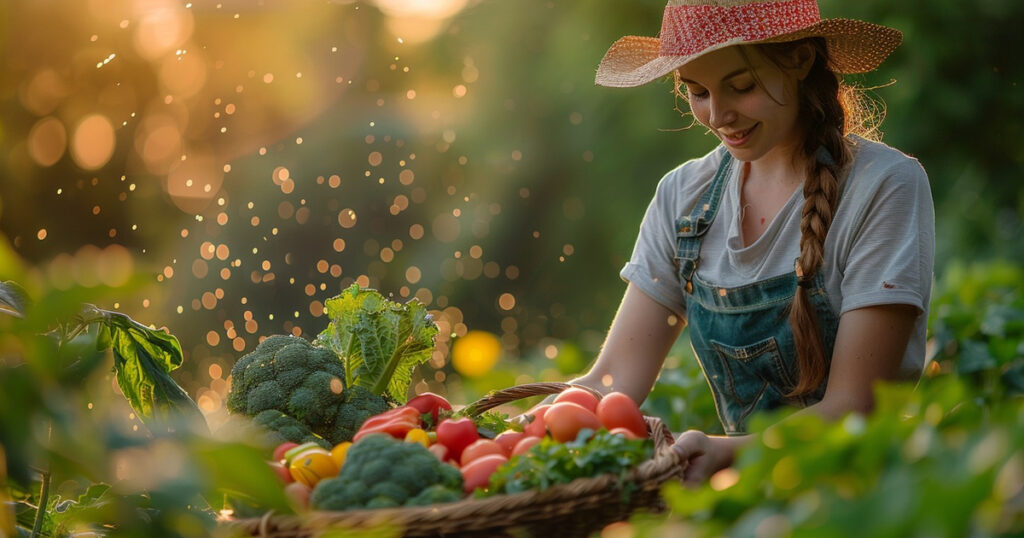
Start with easy-to-grow, high-yield vegetables that you enjoy eating. Here are some budget-friendly options:
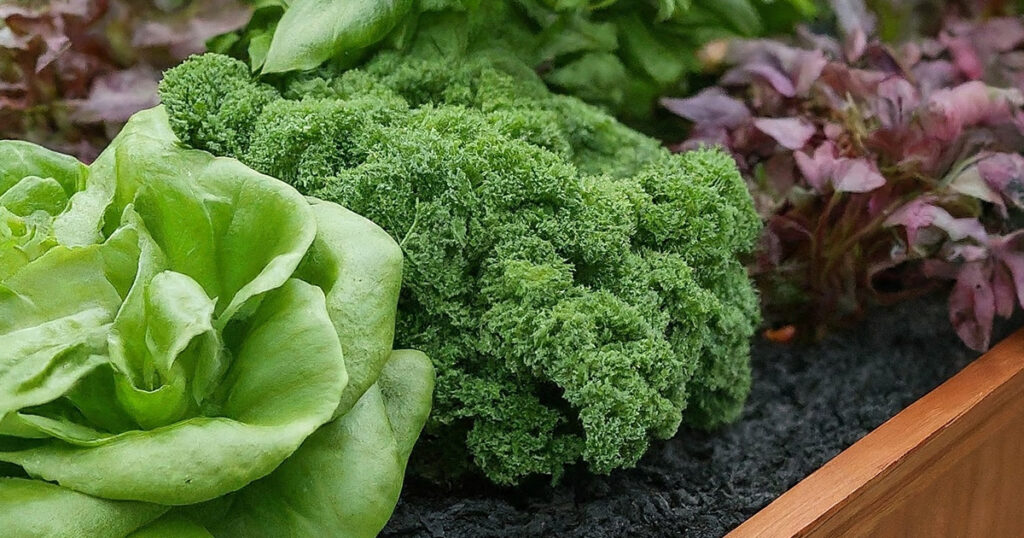
- Leafy Greens: Lettuce, spinach, kale, and arugula grow quickly and can be harvested continuously.
- Herbs: Basil, mint, cilantro, and parsley are versatile and add flavor to many dishes.
- Tomatoes: Compact varieties like cherry or Roma tomatoes are perfect for containers.
- Peppers: Bell peppers, chili peppers, and jalapeños thrive in pots with ample sun.
- Root Vegetables: Radishes, carrots, and beets are relatively low-maintenance.
Container Gardening Tips
- Sunlight: Most vegetables need at least 6 hours of direct sunlight per day.
- Drainage: Ensure your containers have drainage holes to prevent root rot.
- Spacing: Give plants enough room to grow to their full potential.
- Watering: Water regularly, but avoid overwatering. Check the soil moisture before watering.
- Fertilizing: Feed your plants with organic fertilizer according to the instructions.
- Pest Control: Use natural pest control methods like companion planting or insecticidal soap.
Maximizing Your Yield
- Succession Planting: Plant new seeds or seedlings as soon as one crop is harvested to ensure continuous production.
- Vertical Gardening: Grow upwards to save space. Use trellises, hanging baskets, or vertical planters.
- Companion Planting: Certain plants help each other thrive by deterring pests or attracting beneficial insects.
- Seed Saving: Save seeds from your healthiest plants to grow next year.
Troubleshooting Common Problems
- Pests and Diseases: Identify common garden pests and diseases in your area and learn how to prevent and treat them.
- Nutrient Deficiencies: Look for signs of nutrient deficiencies and adjust your fertilizer regime accordingly.
- Overwatering or Underwatering: Monitor soil moisture and adjust watering frequency as needed.
The Rewards of Homegrown Food
Growing your own food is a rewarding experience that can save you money, improve your health, and benefit the environment. It’s a sustainable practice that connects you with nature and provides you with fresh, delicious produce. Whether you have a large backyard or a tiny balcony, there’s always a way to grow your own food. Start small, learn as you go, and enjoy the fruits (and vegetables!) of your labor.