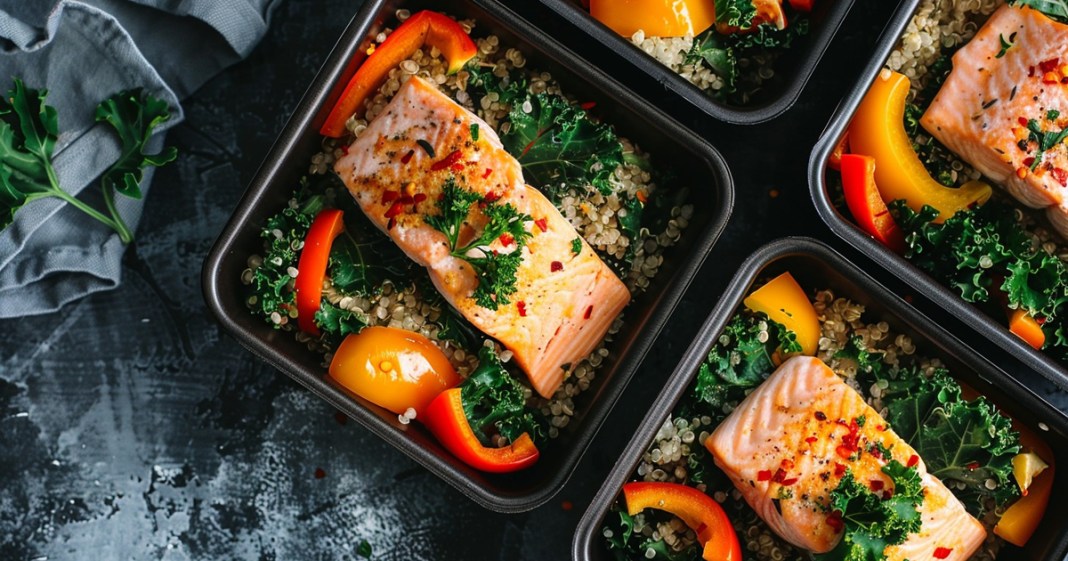
Are you tired of watching your grocery bills climb higher each month? Meal planning and bulk cooking could be your ticket to significant savings. By mastering these simple strategies, you can slash your food costs while still enjoying delicious, home-cooked meals. Let’s dive into how strategic meal planning and bulk cooking can transform your food budget and make your life easier
Why Meal Planning and Bulk Cooking Matter
Picture this: It’s 6 PM, you’re exhausted after work, and you have no idea what’s for dinner. Sound familiar? This scenario often leads to expensive takeout orders or last-minute grocery store runs where you buy more than you need. That’s where meal planning and bulk cooking come in to save both your wallet and your sanity.
The Health Benefits of Planning Your Meals
When you plan your meals in advance, you’re not just saving money – you’re investing in your health. Planning allows you to create balanced meals that include all the nutrients your body needs. You’ll be more likely to include a variety of colorful vegetables, lean proteins, and whole grains when you plan ahead, rather than reaching for processed convenience foods when hunger strikes. Plus, when you cook at home, you have complete control over ingredients, portions, and cooking methods, allowing you to reduce excess salt, sugar, and unhealthy fats that are often abundant in restaurant meals. Studies have shown that people who regularly plan and prepare meals at home tend to have better diet quality, lower rates of obesity, and reduced risk of diet-related chronic diseases.
The Financial Benefits of Planning Ahead
Reduced Food Waste
Did you know that the average American family throws away about $1,500 worth of food annually? When you plan your meals, you buy exactly what you need and use everything you purchase. Think about it – no more soggy lettuce or mysterious leftovers hiding in the back of your fridge.
Lower Grocery Bills
By planning your meals and buying in bulk, you can save 20-30% on your monthly grocery bill. Here’s how:
- You can take advantage of bulk pricing and sales
- You avoid impulse purchases
- You can plan around seasonal ingredients when they’re cheapest
- You reduce the number of shopping trips, cutting down on transportation costs
Less Eating Out
When you have meals planned and prepped, you’re much less likely to order takeout. If the average takeout meal costs $20-30 per person, replacing just two restaurant meals per week with home-cooked alternatives could save you over $2,000 annually.
Getting Started with Meal Planning
Step 1: Take Inventory
Before you start planning, check what you already have. This prevents buying duplicates and helps you build meals around ingredients you need to use up.
Step 2: Create Your Weekly Plan
Start simple with a five-day plan. Look at your schedule and be realistic about which nights you’ll actually cook. Consider:
- Your work schedule
- Evening activities
- Energy levels on different days
- Leftover nights
Step 3: Build Your Shopping List
Organize your list by store section to shop efficiently. Remember to check for:
- Pantry staples
- Fresh produce
- Proteins
- Bulk items you can stock up on when they’re on sale
Bulk Cooking Strategies That Work
The Power of Batch Cooking
Spend one afternoon cooking, and you’ll reap the benefits all week. Here’s what to focus on:
Base Ingredients
Prep versatile ingredients that can be used in multiple dishes:
- Cooked rice or quinoa
- Roasted vegetables
- Shredded chicken
- Seasoned ground meat
- Beans and lentils
Complete Meals
Make larger portions of freezer-friendly dishes:
- Soups and stews
- Casseroles
- Pasta sauces
- Curry dishes
- Chili
Smart Storage Solutions
Invest in quality storage containers and learn proper freezing techniques. Label everything with contents and dates. Your future self will thank you.
Money-Saving Meal Planning Tips
Shop Seasonally
Seasonal produce is cheaper and tastes better. Build your meal plans around what’s currently abundant and affordable.
Embrace Meatless Meals
Incorporate vegetarian dishes into your rotation. Plant-based proteins like beans and lentils cost a fraction of meat while still providing excellent nutrition.
Use Your Freezer Wisely
Your freezer is your best friend in the meal planning game. Stock up on:
- Sale items
- Bulk-cooked meals
- Bread and baked goods
- Fruits and vegetables when in season
Strategic Leftovers
Plan for leftovers intentionally. Cook once, eat twice (or more):
- Make Monday’s roast chicken into Tuesday’s chicken salad
- Transform Sunday’s rice into Wednesday’s fried rice
- Use vegetable scraps for homemade stock
Advanced Money-Saving Strategies
Price Tracking
Keep a simple spreadsheet of prices at different stores. This helps you recognize genuine deals and know when to stock up.
Bulk Buying Groups
Consider joining or starting a bulk buying group with friends or neighbors. This allows you to take advantage of wholesale prices without overwhelming your storage space.
Growing Your Own
Even a small herb garden can save money. Fresh herbs are expensive to buy but easy to grow.
Common Challenges and Solutions
“I Don’t Have Time”
Solution Start small. Even planning just three meals a week can make a difference. Use weekend prep time efficiently.
“My Family is Picky”
Solution Include family members in the planning process. Create a rotating menu of crowd-pleasing meals.
“I Have Limited Storage”
Solution Focus on high-impact items that save the most money. Get creative with storage spaces.
Calculating Your Savings
To track your progress:
- Keep your grocery receipts for a month before starting meal planning
- Document your takeout expenses
- Implement meal planning for a month
- Compare the totals
Most families see savings of $200-400 per month when fully implementing these strategies.
Conclusion
Meal planning and bulk cooking aren’t just about saving money – they’re about taking control of your food budget and reducing stress around meals. Start with small steps, find what works for your lifestyle, and watch your savings grow. Remember, every dollar saved on groceries is a dollar you can use for other priorities in your life.
The best part? You don’t need any special skills to get started. Just a little organization and preparation can lead to significant savings. Why not start this week? Your wallet (and your future self) will thank you.